

The short answer
Compare the major boat electronics ecosystems by mapping, sonar features, transducer support, and upgrade path.
A good comparison should eliminate the wrong category first. Portable sonar and boat sonar solve different problems. Portable sonar is about mobility and low-friction setup. Boat sonar is about mounted electronics, better visibility, GPS, imaging, and repeatable on-water workflow.
Use case and setup
Portable sonar works best when the angler moves between locations or does not want to install equipment. It is easy to carry, fast to deploy, and practical for bank fishing, kayak fishing, docks, ponds, and travel. The tradeoff is that it usually depends on a phone app or compact interface.
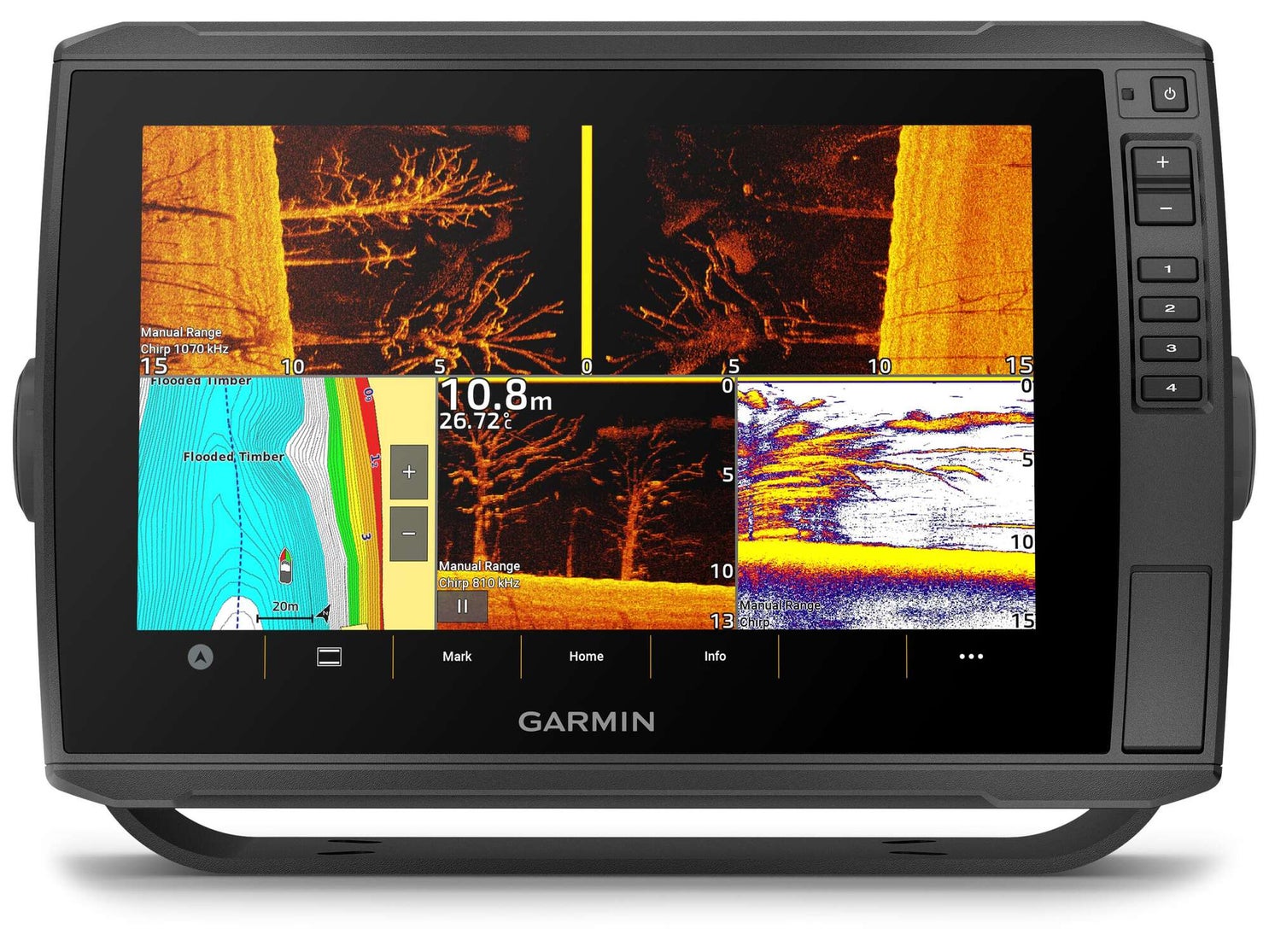
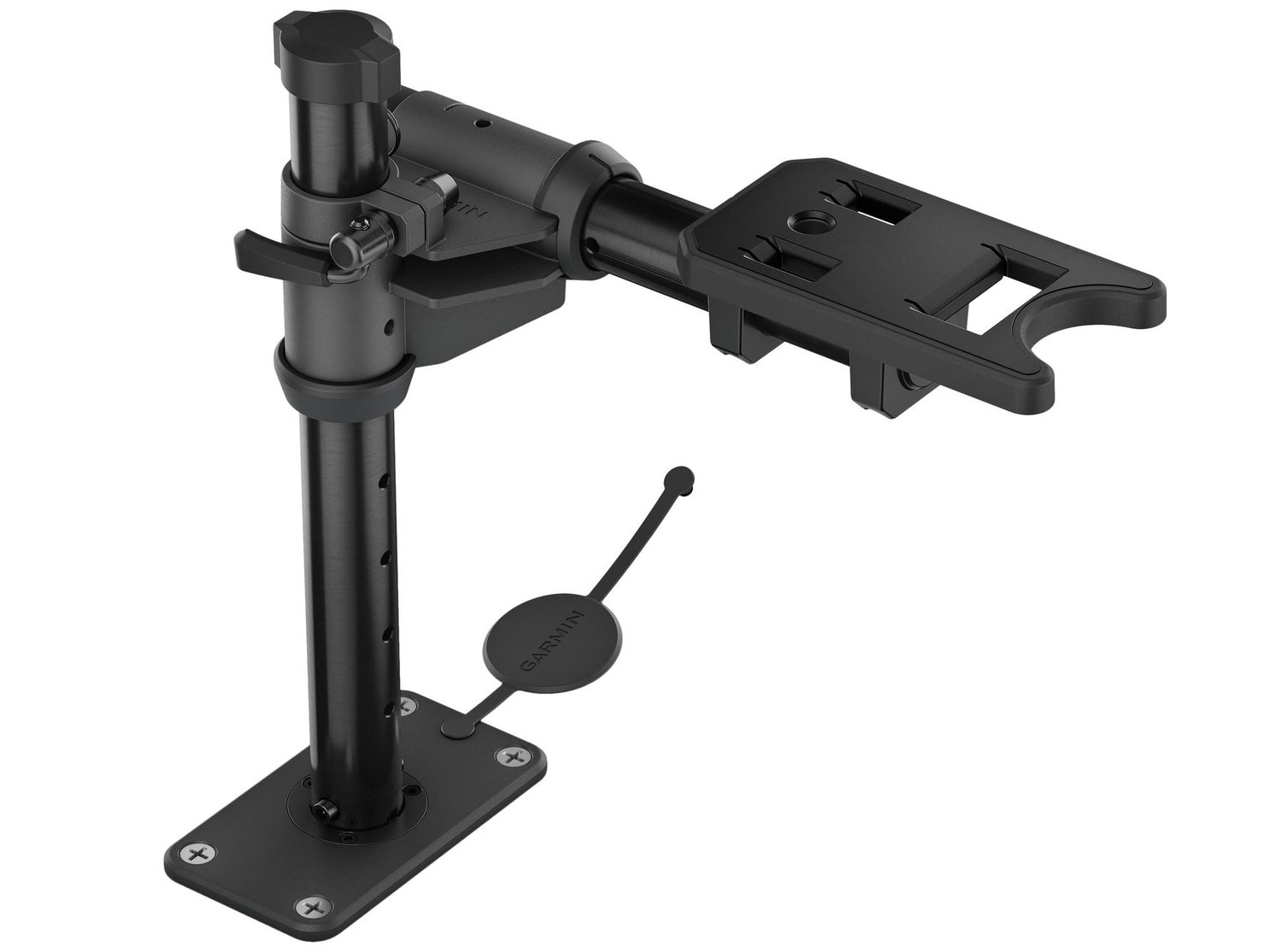
Boat sonar works best when the angler has a regular boat setup. A mounted display is easier to read, power is more stable, and transducer placement can be optimized. The tradeoff is that buyers must think about wiring, installation, mounting position, and future upgrades.
Feature depth
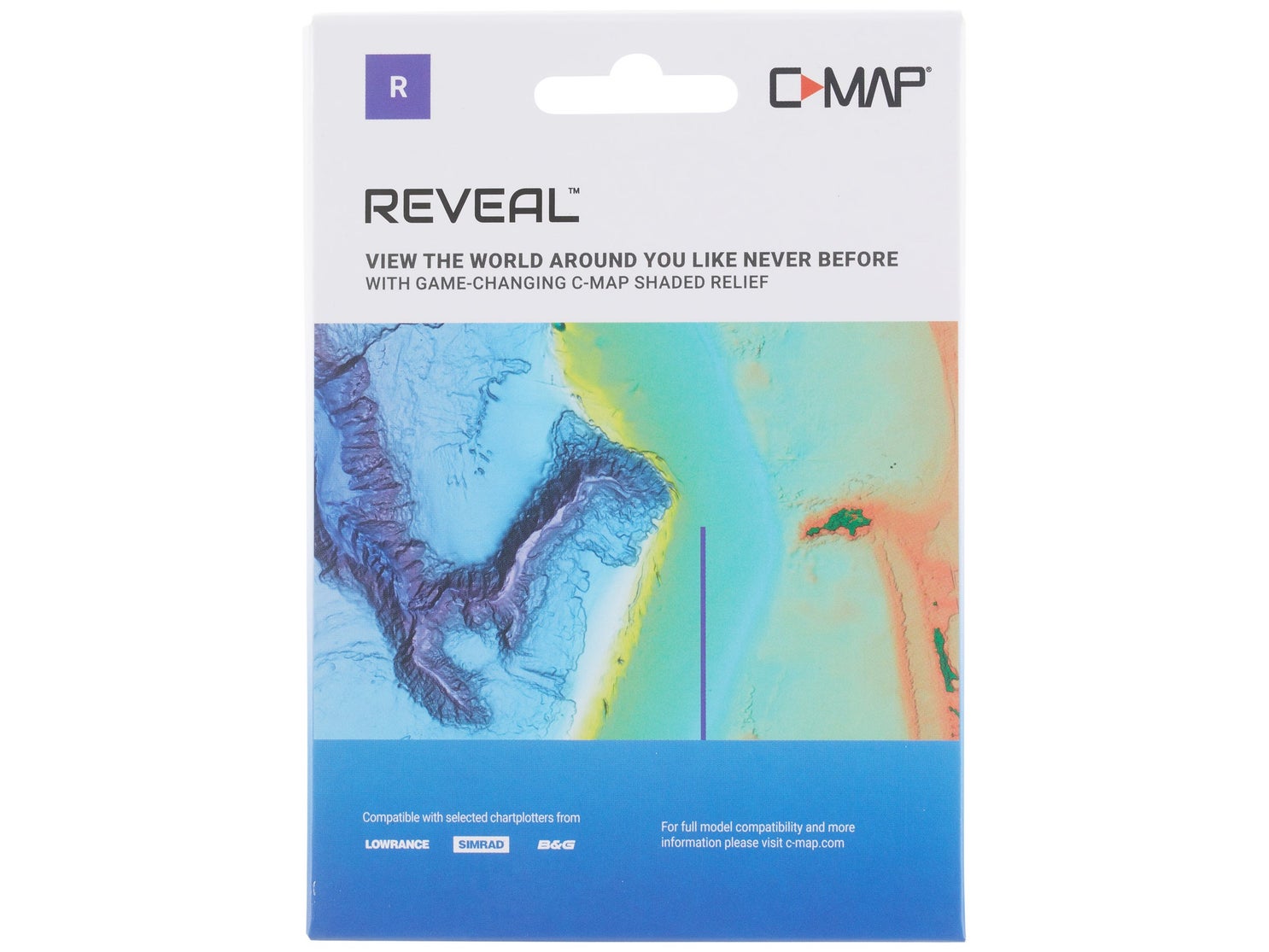
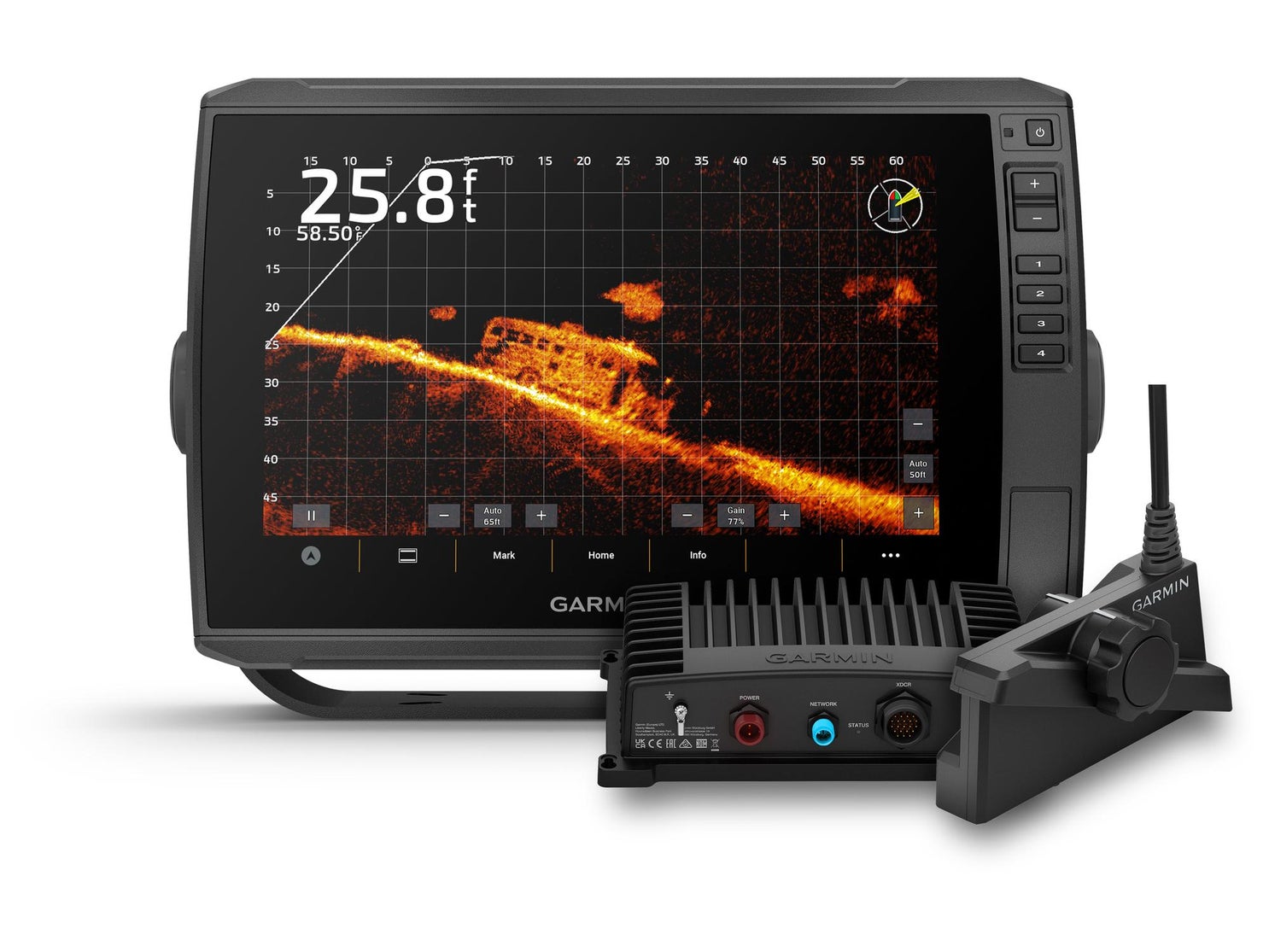
The deeper the feature set, the more important compatibility becomes. GPS and mapping require attention to chart coverage and screen size. Side imaging and down imaging require the right transducer and mounting position. Live sonar adds another layer: compatible display, transducer, pole or motor mount, power, and learning curve.
Portable sonar can still provide useful depth, structure, fish marks, and sometimes mapping. It should not be treated as a toy, but it is a different workflow from a full boat electronics system.
Price and upgrade path
Portable sonar is usually the lower-commitment path. It is easier to buy, test, and move between fishing styles. Boat sonar can become more expensive because the display, transducer, mapping, mount, wiring, and accessories all matter.
The best value is not always the lowest price. The best value is the model that matches your fishing style for the next two or three seasons without forcing an immediate replacement.
Final recommendation
Choose portable sonar if your main need is mobility, bank access, kayak use, travel, or fast setup. Choose boat sonar if your main need is a fixed display, GPS mapping, imaging, transducer placement, or a boat electronics ecosystem.
| Decision point | Choose this when | Watch out for |
|---|---|---|
| Mobility | Portable sonar for bank, kayak, dock, pond, and travel fishing. | Boat sonar is harder to move between setups. |
| Screen visibility | Boat sonar when you want a dedicated display and better readability. | Portable app screens depend on phone brightness and battery. |
| Mapping and GPS | Boat sonar for serious mapping and waypoint workflows. | Portable GPS features vary by model and app. |
| Installation | Portable sonar when you want little or no installation. | Boat sonar requires mounting, wiring, and transducer planning. |
| Upgrade path | Boat sonar when you plan to add imaging, live sonar, or networked electronics. | Higher cost and compatibility checks are required. |