

Who this guide is for
This guide is written for shoppers who want a practical sonar recommendation before spending money. It does not assume that every buyer needs the most expensive fish finder. The right choice depends on where you fish, how often you move, whether you own a boat, and how much setup work you are willing to do.
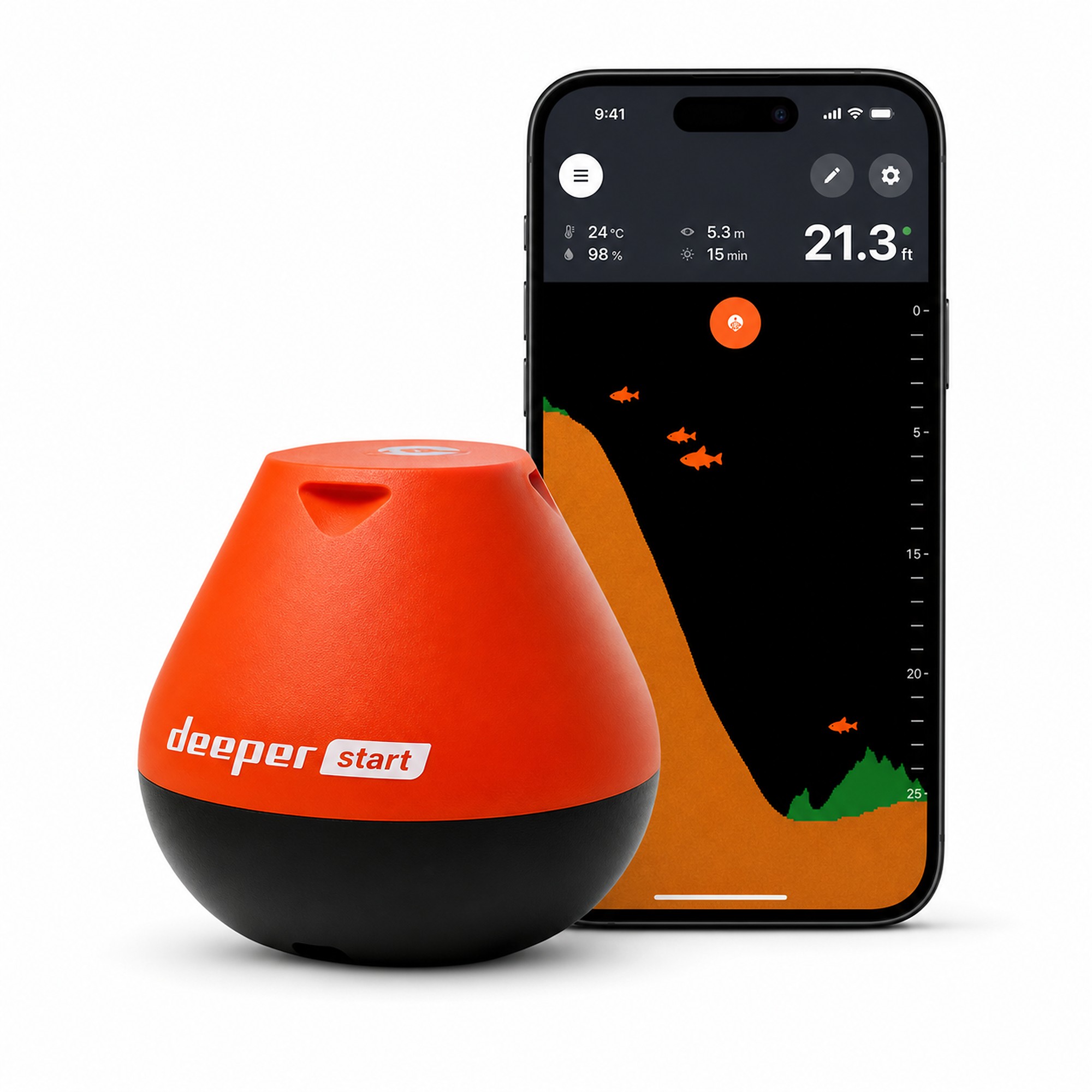
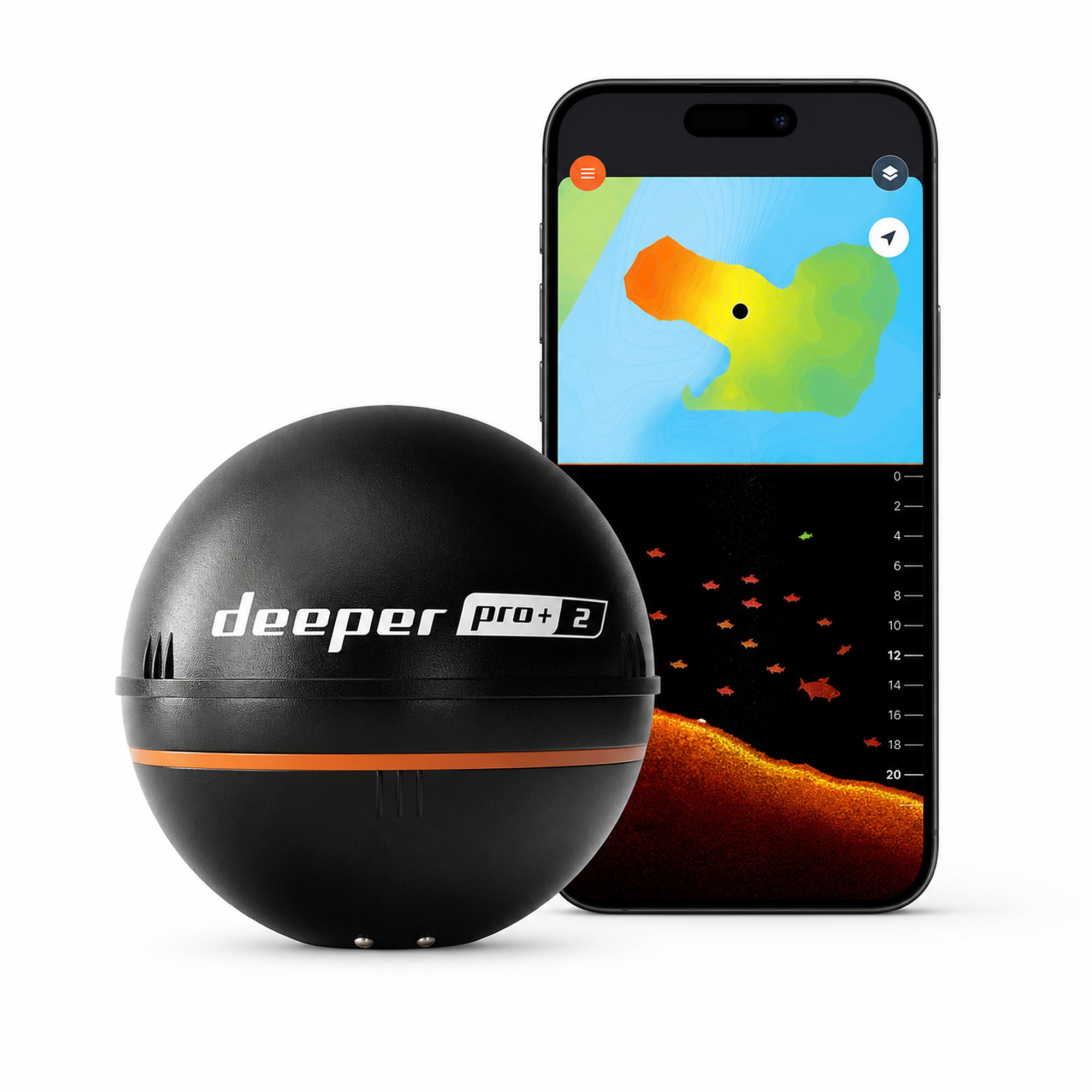
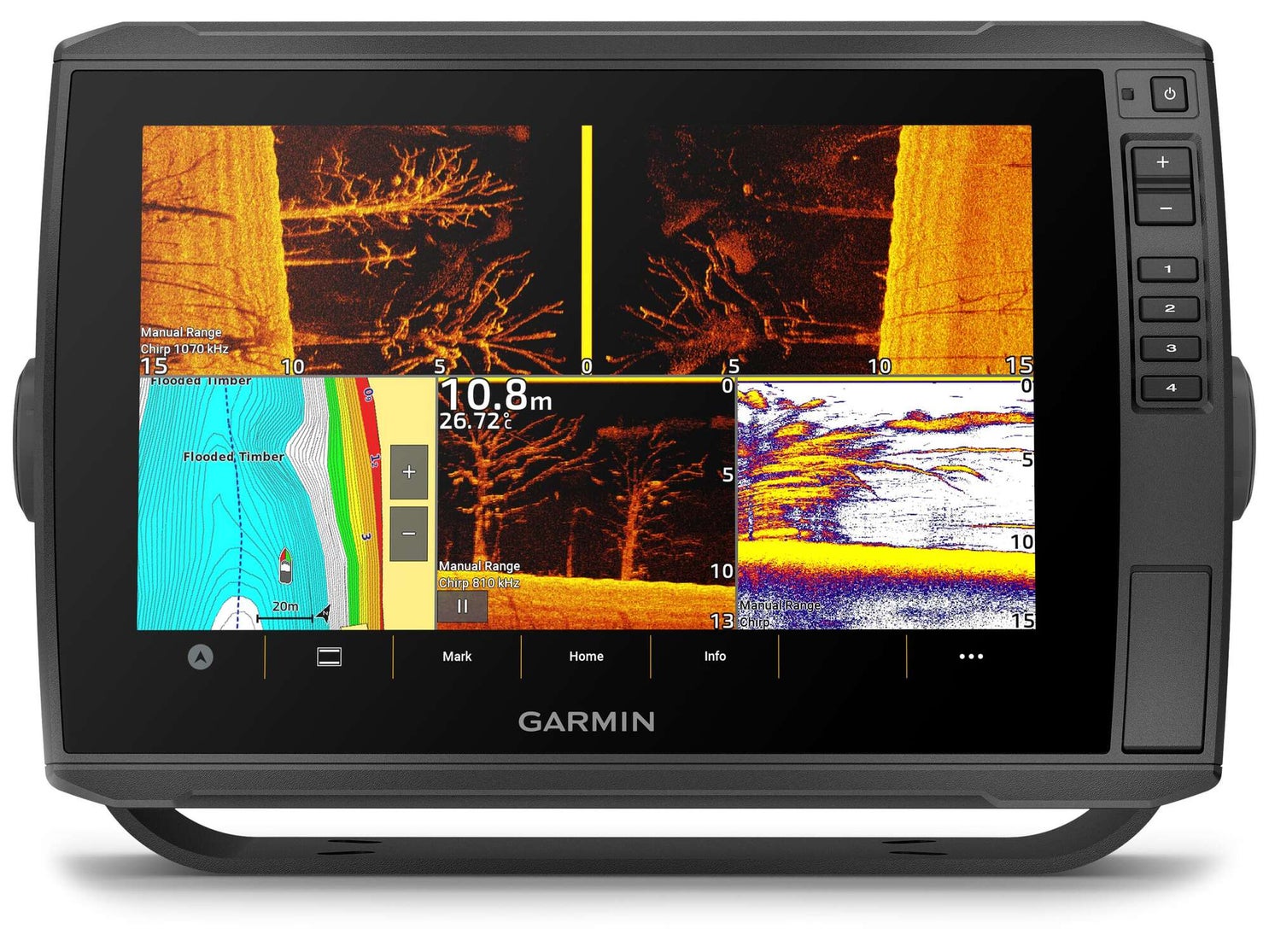
EchoWake Marine separates the market into two buying paths. Portable sonar is for bank anglers, kayak anglers, travel anglers, dock fishing, ponds, ice fishing, and temporary setups. Boat sonar is for fixed displays, transducer mounting, GPS mapping, side imaging, live sonar, and higher-end electronics systems.
Start with fishing style, not specs
The most common mistake is comparing screen size, frequency, or imaging modes before choosing the use case. A strong boat sonar can be the wrong purchase for a bank angler because it needs mounting, power, and a transducer location. A compact castable sonar can be the wrong purchase for a bass boat owner who needs side imaging, mapping, and a permanent screen.
Use fishing style as the first filter, then use budget and features as secondary filters. Bank and kayak users usually care about portability, app clarity, battery life, and simple setup. Boat users usually care about screen size, transducer compatibility, GPS mapping, imaging mode, and installation.
- Bank fishing: prioritize castable or wireless sonar.
- Kayak fishing: prioritize compact size, battery, mounting flexibility, and water resistance.
- Small boat fishing: prioritize simple wiring, GPS, screen visibility, and transducer fit.
- Bass boat fishing: prioritize larger displays, mapping, side imaging, and live sonar upgrade paths.
Budget ranges that make sense
Budget should narrow the list, not define the category by itself. Under $300 usually points toward basic portable sonar or entry fish finders. The $300 to $700 range can support stronger portable sonar or basic boat electronics. Higher budgets open up GPS mapping, bigger displays, imaging, and live sonar ecosystems.
For portable sonar, spending more usually improves mapping, target separation, depth performance, or app features. For boat sonar, spending more usually improves screen size, processing power, mapping, imaging, and transducer support.
Features worth paying for
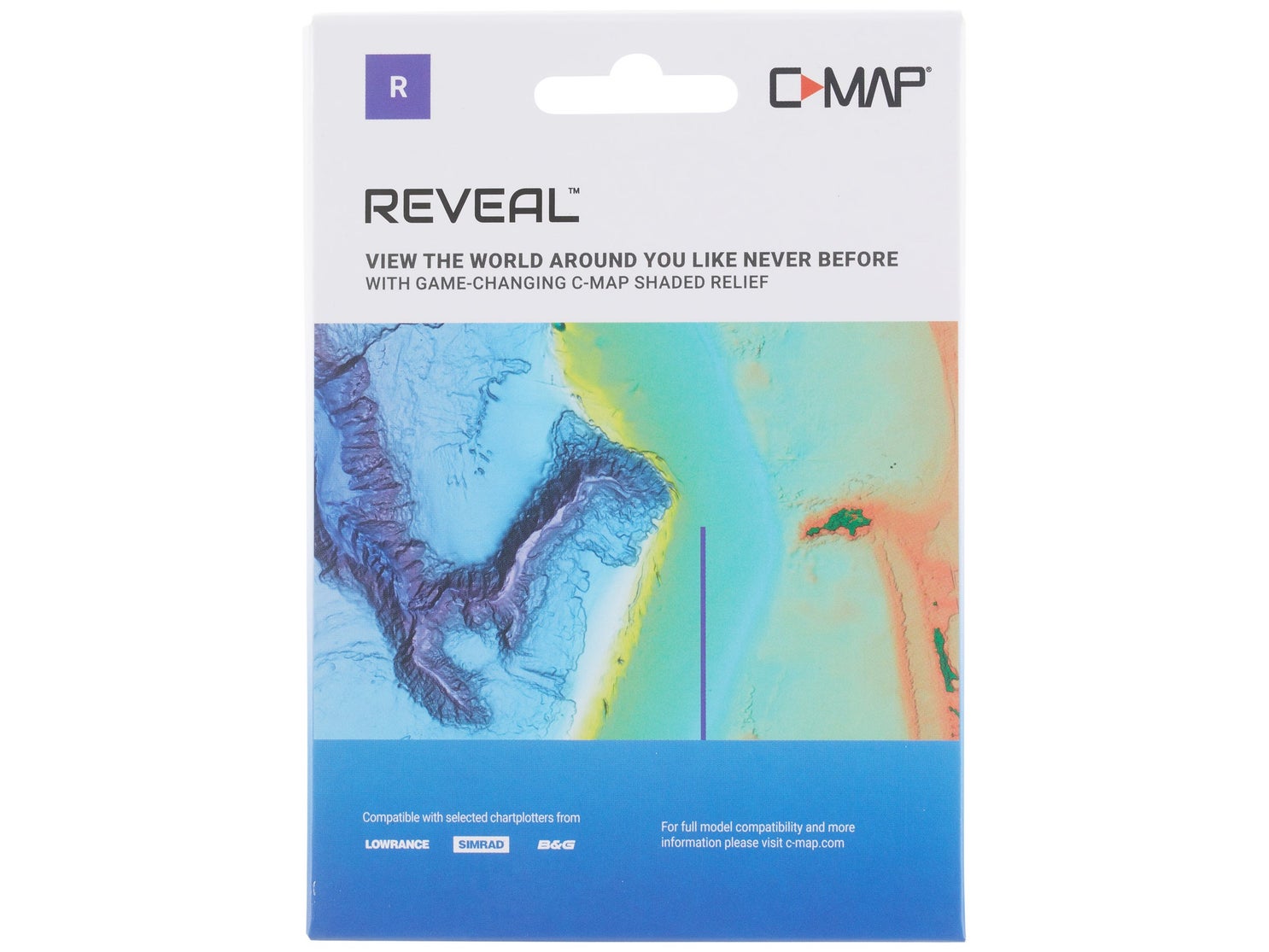
GPS is valuable if you want to save spots, build maps, or return to structure. Side imaging is valuable if you need to scan water around a boat. Live sonar is valuable when real-time fish and lure tracking changes how you fish. For portable sonar, the most useful features are reliable connection, battery life, castability, app clarity, and the ability to mark useful locations.
Do not pay for features that do not fit your workflow. A bank angler rarely benefits from a large fixed screen. A boat angler who fishes offshore structure may outgrow a basic depth-only unit quickly.
Recommended next step
If you are still unsure, compare the two main buying paths first: Portable Sonar and Boat Sonar. The goal is not to force a single product; it is to route you into the right product family before you compare models, prices, mounting needs, and warranty coverage.
| Decision point | Choose this when | Watch out for |
|---|---|---|
| Portable sonar | You fish from shore, kayak, dock, pond, travel, or temporary setups. | Small screens or phone-app workflows may not satisfy serious boat users. |
| Boat sonar | You own or regularly use a boat and want a mounted display, GPS, imaging, or transducer setup. | Installation, wiring, and transducer fit matter before purchase. |
| GPS mapping | You want waypoints, charts, mapping, and repeatable spots. | Check map region, chart support, and screen size. |
| Live sonar | You want real-time fish and lure tracking and have the budget for a more complex setup. | Higher cost, compatibility, mounting, and learning curve. |